-
 Nearly 5 million children—or 7% of kids in the U.S.—have had a parent incarcerated at some point in their life.Black children and children from…
 -
 Neighborhoods. It's a topic that has come up time and time again here at State of Opportunity. That's because where people live has a lot to do with who…
 -
 Wednesday was International Women's Day. It was also "A Day Without a Woman," a protest encouraging participants to skip work or school and avoid spending…
 -
 More than 45 million Americans – nearly 16 million of them children – live below the poverty line.And poverty isn't just a U.S. issue. It's a global…
 -
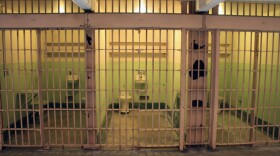 Having a parent behind bars can be a traumatic experience for a child. Studies show parental incarceration can affect school achievement, health,…
 -
 More than 43 million Americans receive benefits from the Supplemental Nutrition Assistance Program - formerly known as food stamps. And many of these…
 -
 The 2017 tax filing season begins January 23. But millions of low-income families across the country will face delays in getting their refunds. The delays…
 -
 Lighting up may become a lot less convenient for smokers who live in public housing.That's because the U.S. Department of Housing and Urban Development…
 -
 When people talk about poverty, the conversation typically revolves around the economic condition of a household. Even here at State of Opportunity, our…
 -
 More than 60 million people in the U.S. receive Social Security benefits. These payments play a key role in helping millions of Americans stay above the…

© 2026 State of Opportunity

STATE OF OPPORTUNITY. Can Kids in Michigan Get Ahead?
Play Live Radio
Next Up:
0:00
0:00
Available On Air Stations


